
The Reason Collaborations Stay Uncommon for The Row, plus How They’re Approached
In a market driven by co-branded tie-ups as a dependable revenue lever, The Row has moved in the reverse direction instead. Mary-Kate and Ashley Olsen built the label on a philosophy of restraint, and that restraint extends directly to how — and whether — the brand works with outside partners. While competitors churn out capsule collections with sneaker brands, artists, or other fashion houses every quarter, The Row has released almost none. This scarcity isn’t an oversight. It’s a deliberate business and creative strategy that shapes how the entire house operates, from runway shows to the design of the row bags that anchor its accessories line.
Why there are so few collaborations at The Row can only be understood by examining its beginnings, the label’s approach to pricing, and its sustained standing within luxury fashion.
A trend-fueled name was never their ambition. Their true aim was something more akin to an atelier — quiet, considered, and unhurried by intention.
The Core Ethos: Low-Key Refinement Long Before the Term Existed
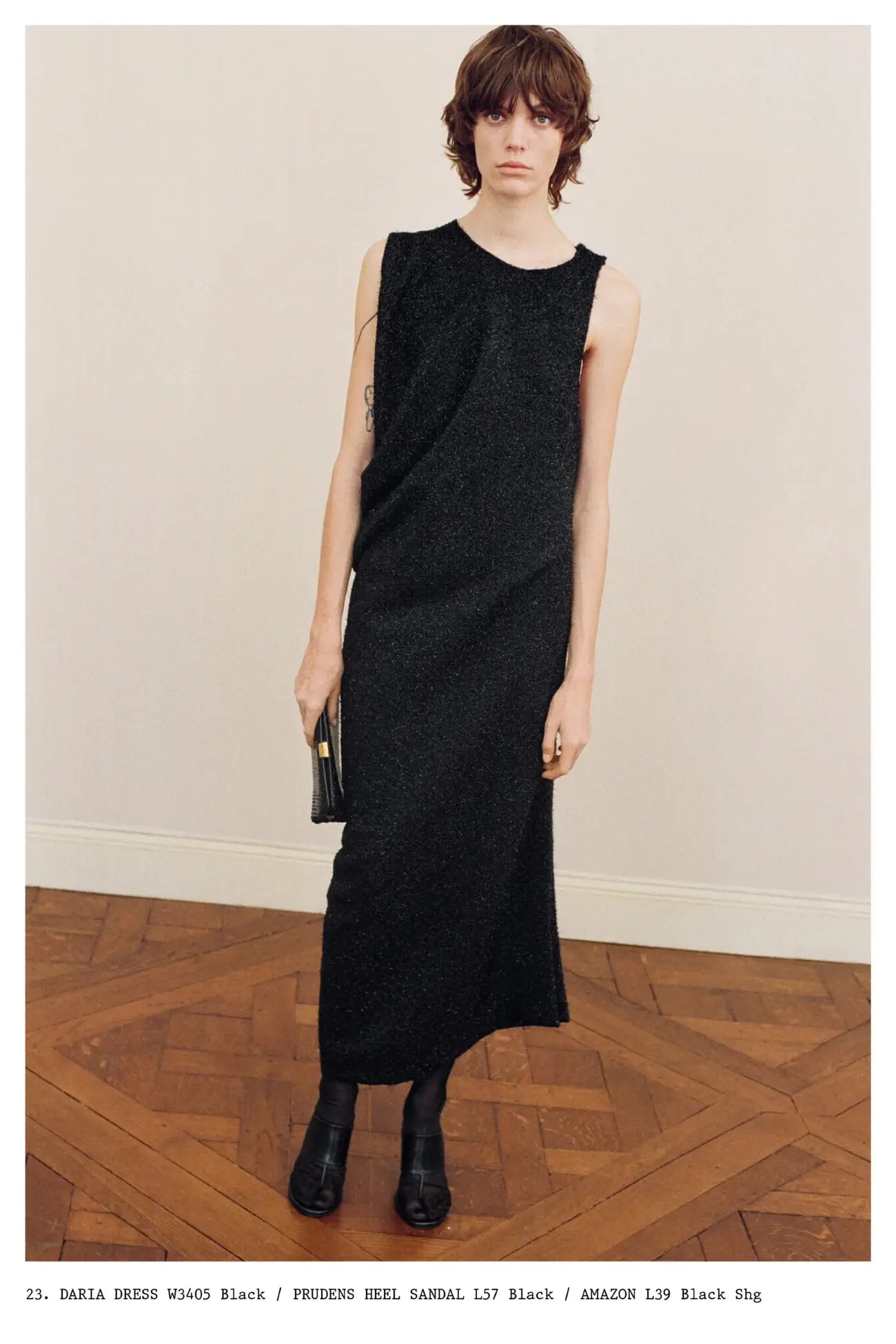
The Row launched in 2006, years before “quiet luxury” became a marketing buzzword. From the beginning, the brand prioritized construction quality, fabric sourcing, and understated silhouettes over logos or seasonal gimmicks. This ethos naturally resists the collaboration model, which usually depends on visibility, novelty, and a limited-time sense of urgency.
Collab projects tend to work best for brands that thrive on cultural conversation — consider sneaker drops or streetwear crossovers that sell out in minutes. The Row’s shoppers, on the other hand, are drawn to steadiness. Those who already own three or four the row handbags aren’t seeking a novelty collab piece; what they want is one more piece that blends naturally into a closet shaped across years, not fleeting seasons.
This is part of why the row-bags round-up conversation among ysl stylists, along with resellers hardly ever touches on special-edition releases. The label’s bag lineup — the Margaux, the Bourse, the Soft Lock — was built to remain fixed rather than seasonal. Lasting design and collaborative drops are, structurally speaking, often at odds.
Even still, its catwalk presentations, which have been part of the official schedule since 2015, sidestep dramatic set design or celebrity-heavy front-row show that so often trails joint-project announcements in other corners of the industry. The presentation holds as disciplined as the collection itself.
The Calculus Behind a No, Broken Down
Limited availability has commercial value, and The Row understands this more keenly than most contemporary houses. When a brand collaborates too often, exclusivity erodes. Resale prices for signature products may weaken when too many scarce releases flood the market jockeying for buyer notice. By maintaining a tight and consistent offering, The Row has instead shielded the secondhand demand of its core handbag lines.
In practical terms, this carries real weight: the top-performing row bags — largely the Margaux in its various sizes, as well as the Bourse and Soft Clutch — hold value well precisely because they are never reissued in twenty colorways a year or redesigned around an outside designer’s logo stamped on the hardware. Someone buying the row bag now can reasonably expect the same silhouette to exist, essentially as-is, three years from now.
The pricing strategy also explains this. Its handbags usually range across the $2,000 to $6,000+ price band depending on size, leather, and hardware finish. At that price tier, shoppers pay a premium for durability and coherent design, instead of a piece of fleeting cultural buzz. A flashy collaboration would arguably undercut precisely what justifies the elevated price.
Financially, this approach likewise minimizes operational complexity. Co-branded projects call for renegotiated licensing, joint manufacturing coordination, and promotional budgets divided between two brands. Its compact, tightly managed operation — reportedly with limited retail doors and a purposefully limited wholesale footprint — isn’t designed to accommodate this type of scaling.
The Few Collaborations That Have Happened
The brand hasn’t completely ruled out outside partnerships, but these occurrences are scarce yet meaningful. Worth mentioning, it has, on occasion, engaged in footwear and select material sourcing partnerships instead of loud, co-branded apparel collections. These initiatives usually remain so understated that those browsing the row fashion casually may never notice that a collaboration took place.
This is a deliberate contrast to peers. Luxury houses like Louis Vuitton or Fendi have carried out several headline-making artist and designer partnerships in just one year. The Row, however, might see a single low-key collaboration spread over multiple years — and when it happens, the label seldom promotes it through aggressive campaigns.
The rarity of partnership news also feeds directly into buying behavior throughout a row sale. Since there isn’t a shifting lineup of limited releases to pursue, sales concentrate shopper focus on staple pieces — namely the tote bag, the Margaux, and its signature outerwear — instead of spreading interest thin over novelty drops.
This reliability has also brought more predictability to resale and consignment shopping. Buyers searching for where to buy the row Margaux bag on secondary markets can usually count on pricing benchmarks are tied to consistent design language rather than being swayed by unpredictable collab-fueled trends.
How the Handbag Lineup Is Shaped By This
The scarcity of collaborations has allowed the label’s design team to devote its attention to perfecting a limited set of shapes rather than constantly generating new ones for marketing cycles. A decade after its 2016 debut, the Margaux remains one of the label’s most in-demand pieces — a rare feat in an industry where “it bags” generally get replaced within just a couple of years.
That same principle applies equally to the row tote bag styles. Rather than introducing a different tote design season after season, The Row has iterated slowly, refining proportions, strap details, or leather finishes while keeping the essential design intact. This is a stark departure from brands that rely on collaboration-driven tote releases to drum up seasonal buzz.
Below is a comparative snapshot of how The Row’s approach to bag releases differs from a typical collaboration-driven luxury competitor.
| Category | The Row | Standard Collaboration-Heavy Luxury Label |
|---|---|---|
| Frequency of collaborations | Infrequent — sporadic partnerships that stay under the radar | Multiple per year, often high-profile |
| Core bag silhouette lifespan | Often a decade or longer (e.g., Margaux since 2016) | Usually redesigned every 2–3 years |
| Promotional style | Low-key, restrained, with little press push | Heavy campaign push, influencer seeding |
| Resale value stability | Fairly stable, thanks to a restrained release schedule | Prone to swings with every fresh collaboration |
| Where the product is sold | Curated, with few retail doors and modest online reach | Broad wholesale and multi-brand retail exposure |
This table illustrates why shoppers digging into top row bags often encounter a more compact, more consistent lineup compared to competitors — and why that consistency is seen as an asset rather than a drawback.
What This Means for Shoppers in 2026
For anyone buying from The Row in 2026, the key point is straightforward: don’t expect a collaboration-driven release calendar, and build your buying strategy around core pieces rather than holding out for limited editions. Its e-commerce site along with select flagship stores continue to be the surest routes for genuine inventory, particularly for high-demand items like the Margaux.
Because production runs are deliberately modest, popular sizes and leathers of the row bag lineup can sell out and take time to restock. Shoppers serious about acquiring a specific piece should track the brand’s own channels rather than depending exclusively on third-party resellers, especially when searching for guidance on where to buy the row Margaux bag in a specific size or leather.
Row sale periods, when they occur, tend to focus on ready-to-wear and select accessories rather than deep discounts on the most coveted bag styles, underscoring the brand’s broader resistance to anything that might dilute perceived value. This is in line with how the brand handles every promotional effort — cautiously and infrequently.
Ultimately, the scarcity of collaborations tied to The Row isn’t a strategic void; it forms the connective thread of the label’s whole identity. In a market saturated with cross-branded noise, the decision to abstain has become one of The Row’s most distinctive — and most subtly powerful — strategic decisions.
No comment